
A new report by one of Europe’s largest economic consultancies has highlighted a raft of benefits from allowing competition into the market for supplying London’s fleet of more than 20,000 black cabs.
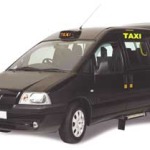
Published by Frontier Economics, the report highlights potential savings of £183 million from opening the London market for black cabs to competition from more modern ‘alternative taxis’, such as the Peugeot E7, which already operates as a licensed taxi in other major towns and cities across the UK.
Currently Coventry-based manufacturer LTI has a monopoly on cabs in London because the capital’s Taxi Conditions of Fitness are restrictively written so as to exclude current production vehicles other than LTI’s TXII cab. However, based on empirical evidence published by the Public Carriage Office (PCO) last month, Frontier Economics finds little justification for continuing to limit the market in this way and suggests that “the evidence points in favour of amending [the Conditions of Fitness] to allow appropriate alternative vehicles into the market, which would be in the interests of taxi customers, owners and drivers.”
The new study challenges much of the underlying methodology and previous interpretation of evidence by the PCO, particularly in relation to cost-benefit analysis. Frontier’s report also identifies a series of benefits for passengers and drivers from opening up the market to competition, including:
Lower Costs
According to Frontier, competition would allow drivers to make substantial savings on vehicle purchase, maintenance and running costs. The evidence published by the PCO shows that the Peugeot E7 taxi could be up to 19% cheaper to purchase and operate than an LTI taxi (a saving of £9,354 over four years). Frontier estimates that, over a twenty-year period, this could mean savings for drivers and passengers totalling some £183 million.
Increased Choice
Frontier point out that competition would inevitably increase choice available to both drivers and passengers, opening the way to a wide range of new and additional vehicle features.
Increased Innovation
A competitive market would also drive increased innovation within the taxi vehicle industry, resulting in new technological advances to better meet the needs of both drivers and passengers.
Improved Accessibility
Disabled people, in particular, stand to benefit from availability of alternative taxis, which evidence shows to be more accessible for wheelchair users in particular.
Improved Safety
Frontier also note that alternative taxis such as the Peugeot E7 offer important modern safety features, such as anti-lock brake systems (ABS) and driver airbags, which are not provided on the existing London cabs
The key finding of the report is to underline the benefits of permitting fair and vigorous competition in the market, which would benefit drivers and passengers alike. The report points out that the London PCO is working from a ‘presumption in favour of competition’ and that none of the studies commissioned by the PCO indicates that any significant costs would arise from introducing a competitive market. Consequently Frontier conclude that there are simply are no grounds to overturn the presumption in favour of introducing competition.
Speaking for the alternative vehicle producers Gavin Gillies, Managing Director of Cab Direct – British manufacturers of the Peugeot E7 black cab – commented: “Our case isn’t about making anyone switch to an alternative taxi. We simply want London taxi firms and drivers to have the opportunity to make their own, informed decision on what vehicle best suits their business.
“As the Frontier report shows, this really is a simple win-win situation. Even if all the available evidence is wrong and alternative cabs are not cheaper and better for drivers and passengers, then operators will simply continue to buy the existing type of vehicle.”
“If, on the other hand, more modern, alternative taxis do offer the advantages illustrated by the PCO’s own studies, then drivers and passengers stand to benefit from millions of pounds worth of savings, along with additional gains in terms of choice, innovation, accessibility and safety.”
“Taxi operators and passengers in most major towns and cities throughout the UK are already enjoying the benefits of a competitive market and London drivers and passengers deserve the same degree of choice.”